Phone Cover Pattern: Crafting Style and Protection with Felt and Faux Leather
Why a Thoughtful Phone Cover Pattern Matters
A well-designed phone cover pattern is more than just a template—it's the starting point for creating a personalized, protective accessory that reflects your style. Whether you're a hobbyist or a small business owner looking to expand your handmade product line, choosing the right pattern can make all the difference in the final result. With the growing popularity of DIY phone accessories, many crafters are turning to materials like felt and faux leather for their softness, durability, and aesthetic appeal.
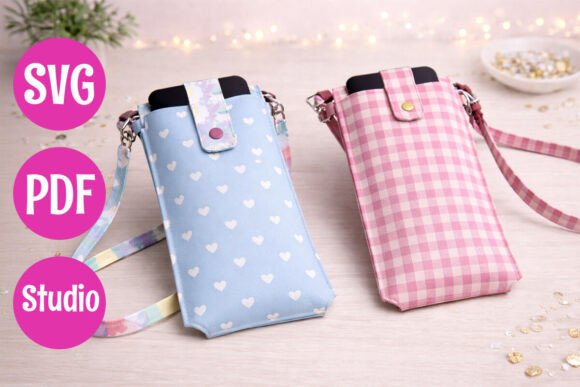
This phone case template is designed specifically for those who want to create a stylish and protective cover using soft materials. It's ideal for both cutting machines and manual cutting methods, making it accessible for a wide range of users. However, even the best pattern can lead to disappointing results if not approached thoughtfully.
Mistake 1: Skipping Material Testing
One of the most overlooked steps when using a phone cover pattern is not testing the material first. Felt and faux leather vary in thickness, flexibility, and how they respond to cutting tools. Using a material that's too thick or too soft can affect how well the case fits and how long it lasts.
Better approach: Cut a test piece using your chosen material before committing to the full design. Check how the layers align, how easily they sew or glue together, and whether the finished case offers enough protection without being bulky.
Mistake 2: Ignoring File Compatibility
While this template includes multiple file formats (SVG, PDF, and Studio), assuming all cutting machines will interpret them the same way can lead to errors. Some software may scale or misalign elements if not set up properly, especially if the file isn't locked to the correct size.
Better approach: Before cutting, always verify the dimensions in your design software. Make sure the units match your project requirements and that the file hasn't been stretched or distorted during import.
Mistake 3: Rushing Assembly Without a Plan
Beginners often jump straight into cutting and assembling without considering how the pieces will come together. This can lead to misaligned seams, incorrect layering, or a final product that doesn’t close properly around the phone.
Better approach: Lay out all the pieces first and do a dry assembly. This helps you visualize the process and catch any issues before you start gluing or stitching. If the pattern includes stitching lines, make sure they’re clearly marked and accounted for in your assembly order.
Choosing the Right Tools and Techniques
Using the right tools makes a big difference when working with soft materials like felt and faux leather. While these materials are easier to cut than natural leather, they still require sharp blades and proper pressure settings to avoid fraying or misshapen edges.
- For Cricut users: Use a fine-point blade and adjust the pressure based on your material thickness.
- For Silhouette users: The AutoBlade works well with thinner materials, but manual adjustments may be needed for thicker layers.
- For manual cutting: A sharp hobby knife and self-healing mat are essential for clean, accurate cuts.
When assembling, consider whether you’ll use fabric glue, stitching, or a combination of both. Felt tends to hold stitches well, while faux leather may require a fabric-compatible adhesive to avoid visible needle marks.
What to Check Before Downloading or Using the Pattern
Before purchasing or downloading a digital phone cover pattern, ensure it includes the following:
- Multiple file types: SVG for Cricut, Studio for Silhouette, and PDF for manual cutting or printing.
- Clear instructions: Even if the design is simple, a short guide or diagram can prevent confusion during assembly.
- Layered design: Look for patterns that separate inner and outer layers to ensure a snug fit around your phone.
- Size options: Some templates offer multiple sizes for different phone models, which is especially useful if you're making covers for gifts or resale.
Realistic Expectations for Results
Handmade phone covers offer a unique charm, but they’re not always as rigid or shock-absorbent as commercial plastic cases. It's important to set realistic expectations for what a felt or faux leather case can do in terms of protection.
Better approach: Frame your handmade phone cover as a stylish, lightweight option rather than a heavy-duty protective case. It’s perfect for everyday use, but may not be suitable for high-impact situations like sports or outdoor adventures.
Using the Pattern for Business or Gifting
If you're planning to sell your handmade phone covers or give them as gifts, presentation matters. A well-finished case with clean edges and secure closures will reflect the care you put into your work.
Consider adding small personal touches like embroidered initials, fabric paint accents, or decorative stitching to elevate your design. These details can turn a simple phone cover pattern into a memorable and marketable product.
Final Thoughts: Make the Most of Your Phone Cover Pattern
A good phone case template is only as effective as the attention you give it during the crafting process. From material selection to assembly techniques, every step plays a role in the final result. By avoiding common mistakes and approaching your project with a thoughtful plan, you can create a protective, stylish accessory that stands out.
Whether you're crafting for yourself or your customers, take the time to understand your materials, test your cuts, and follow the pattern with care. With this approach, your DIY phone cover will not only look great but also serve its purpose beautifully.