Clay-Style Dragon: A Beginner-Friendly 3D Model for Creative Expression
Understanding the Design Philosophy Behind the Clay-Style Dragon
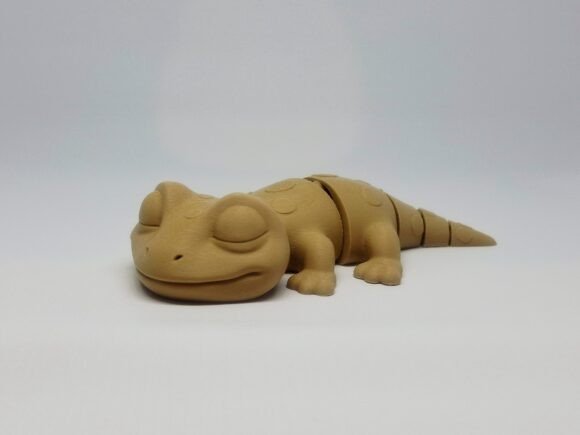
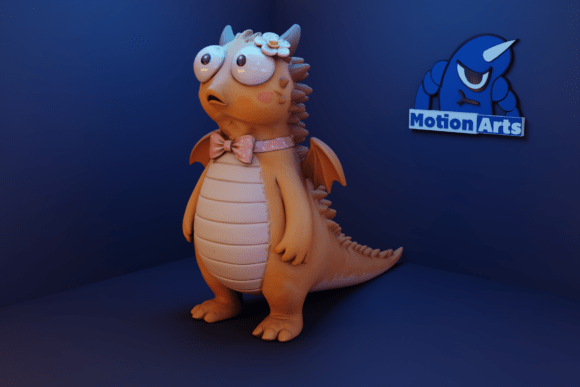
The Clay-Style Dragon 3D model merges artistic charm with functional design, making it a standout choice for both novice and experienced 3D printing enthusiasts. At first glance, the model’s cartoon aesthetic draws attention with its rounded forms and soft edges, evoking the tactile appeal of hand-sculpted clay. This deliberate design choice not only enhances visual appeal but also contributes to the model’s structural integrity, reducing the risk of breakage during and after printing.
One of the most distinctive features of this model is its elegant touch—a miniature tie and a floral accent perched delicately on the dragon’s head. These details add personality without compromising the model’s printability. The design team focused on balancing intricate features with practical considerations, ensuring that even the smallest embellishments are robust enough to withstand the printing process. This makes the Clay-Style Dragon an ideal option for those who want to explore creative design without the frustration of failed prints.
Why the Clay-Style Dragon is Perfect for Beginners
For those new to 3D modeling and printing, navigating the vast array of available designs can be overwhelming. The Clay-Style Dragon addresses this challenge by offering a model that is both visually engaging and technically accessible. Its rounded, well-structured shapes eliminate sharp angles and fragile components, which are common culprits in failed prints. This thoughtful design allows beginners to focus on mastering the printing process rather than troubleshooting complex geometry.
Additionally, the model requires support structures during printing, which provides an excellent opportunity for newcomers to learn about this essential aspect of 3D printing. While support structures can be intimidating at first, the Clay-Style Dragon offers a manageable introduction to their setup and removal. This hands-on experience is invaluable for building confidence and technical skills in 3D printing workflows.
Applications and Use Cases for the Clay-Style Dragon
While the Clay-Style Dragon is undeniably charming as a standalone piece, its versatility extends far beyond simple decoration. Collectors, educators, and hobbyists have found creative ways to incorporate this model into a variety of projects and settings.
- Collection Display: With its whimsical design and elegant details, the model serves as a striking addition to fantasy-themed collections or personal curio displays.
- Classroom Tool: Educators have used the model to introduce students to 3D printing fundamentals, including file preparation, support structure configuration, and post-processing techniques.
- Decorative Accents: Whether placed on a bookshelf or used as part of a themed display, the printed dragon adds a touch of fantasy-inspired elegance to any room.
- Creative Customization: Artists and designers often modify the STL file to create unique variations, experimenting with scale, color, and additional accessories to suit personal or commercial projects.
These diverse applications highlight the model’s adaptability and appeal across different user groups. Whether you’re a hobbyist looking for a fun weekend project or an educator seeking an engaging teaching tool, the Clay-Style Dragon offers something for everyone.
Technical Considerations for Printing the Clay-Style Dragon
Before diving into the printing process, it’s important to understand the technical requirements and best practices for achieving optimal results. The Clay-Style Dragon is provided in STL format, a universally supported file type compatible with most 3D printing software and hardware. However, a few key considerations can enhance the final output:
- Print Orientation: To minimize the need for excessive support structures and ensure even layer adhesion, it’s recommended to print the model in its default upright position.
- Layer Height: Using a layer height between 0.1mm and 0.2mm strikes a balance between detail resolution and print time, particularly for the more intricate features like the tie and flower.
- Support Settings: Since the model does require supports, it’s best to use a soluble support material if your printer allows, as this simplifies post-processing and reduces the risk of damaging delicate areas during removal.
- Post-Processing: Light sanding and painting can elevate the final appearance, especially for those aiming to enhance the clay-like texture or add a personalized color scheme.
By following these guidelines, users can maximize the printability and visual appeal of the Clay-Style Dragon, ensuring a satisfying and successful outcome even for first-time printers.
Comparing the Clay-Style Dragon to Other Beginner-Friendly Models
When evaluating 3D models suitable for beginners, the Clay-Style Dragon stands out for its unique blend of aesthetics and functionality. Compared to more abstract or geometric models, it offers a higher level of artistic expression without sacrificing ease of printing. Unlike highly detailed or fragile models that may require advanced troubleshooting, this design prioritizes user-friendliness while still offering visual interest.
Moreover, the inclusion of subtle design elements—like the tie and flower—provides an opportunity to explore more nuanced aspects of 3D printing, such as overhang management and support structure placement. This positions the Clay-Style Dragon as a stepping stone between basic geometric prints and more complex artistic projects, making it an excellent choice for those looking to expand their skills gradually.
How the Clay-Style Dragon Fits into Current 3D Printing Trends
In recent years, there has been a growing emphasis on accessible, beginner-friendly 3D models that encourage creativity without overwhelming new users. The Clay-Style Dragon aligns perfectly with this trend by offering a design that is both approachable and expressive. As more people explore 3D printing for personal or educational use, models like this one help bridge the gap between technical proficiency and artistic exploration.
Additionally, the rise of customizable STL files and online design communities has made it easier than ever for users to adapt and enhance existing models. The Clay-Style Dragon lends itself well to such modifications, allowing users to experiment with variations in size, texture, and even pose. This flexibility ensures that the model remains relevant and engaging across different applications and user preferences.
Final Thoughts on the Value of the Clay-Style Dragon
The Clay-Style Dragon is more than just a 3D printable model—it’s a gateway to creative expression, technical learning, and personal satisfaction. Whether you’re printing it for display, educational purposes, or as a foundation for further customization, this model exemplifies the balance between form and function. Its thoughtful design, beginner-friendly structure, and elegant details make it a standout choice in the world of 3D printing.
For those looking to explore the intersection of art and technology, the Clay-Style Dragon offers a rewarding experience that is both accessible and inspiring. As 3D printing continues to evolve, models like this one will play a crucial role in making the technology more approachable and enjoyable for a wider audience.